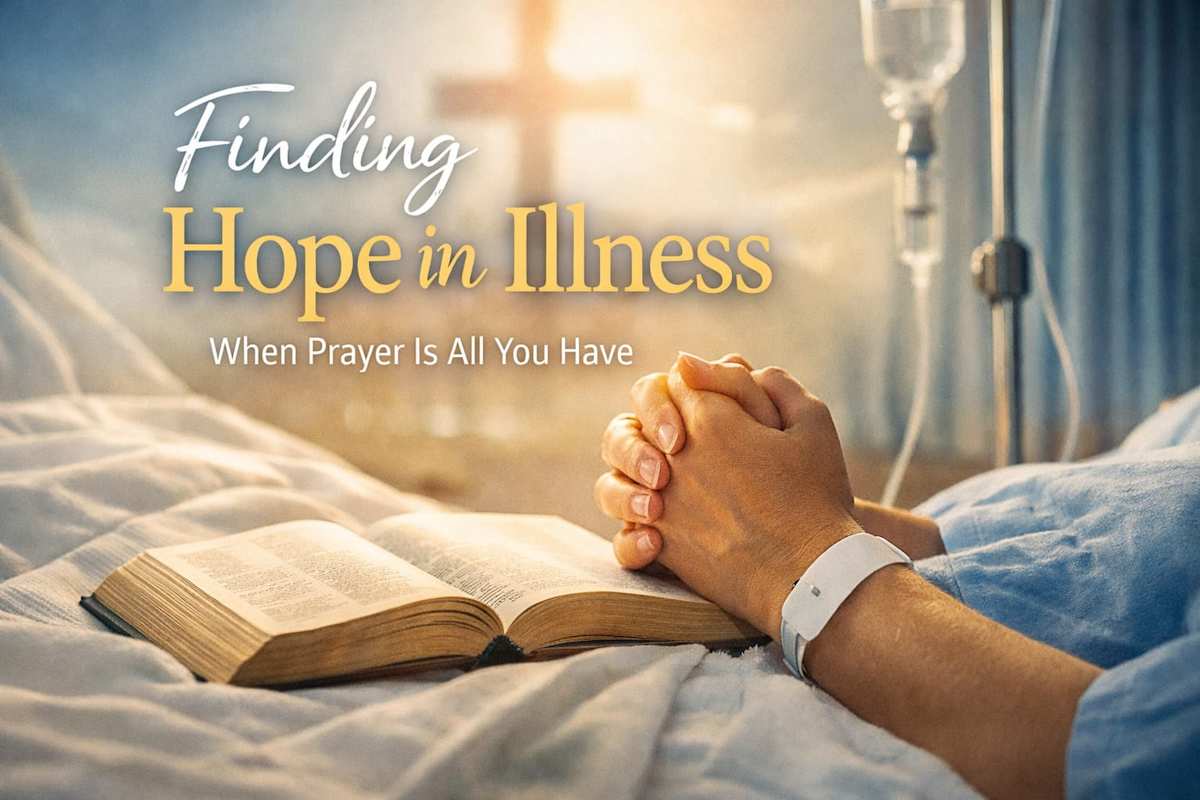
There comes a moment in every difficult season when options run out. The doctors have spoken. Treatments are ongoing. Answers are unclear. And all that remains is prayer for healing.
For many people walking through illness, prayer becomes the last resort instead of the first response—not because faith is absent, but because pain can exhaust even the strongest believer. When the body is weak and the waiting is long, faith during illness is tested in ways few are prepared for.
I know this place well.
Illness has a way of stripping life down to its essentials. It removes distractions, exposes fears, and forces honest conversations with God. In those moments, prayer stops being polished or poetic. It becomes raw, simple, and desperate—and surprisingly powerful.
Prayer for Healing in the Middle of Pain
Prayer for healing does not always change circumstances immediately, but it always changes posture. It shifts the heart from panic to trust, from fear to surrender. When illness lingers, prayer becomes less about demanding answers and more about sustaining hope during illness.
Many people believe prayer only “works” when healing happens quickly. But Scripture reveals something deeper: prayer and healing are connected not only to outcomes, but to endurance. Prayer keeps us anchored to God when everything else feels unstable.
Even Jesus prayed in moments when suffering was unavoidable. That alone tells us prayer is not weakness—it is alignment.
Faith During Illness Is Built in Small Victories
One of the greatest mistakes people make during sickness is waiting for one dramatic miracle while overlooking the small ones. Hope during illness is rarely restored all at once. It is rebuilt moment by moment.
A better lab result. A calm night’s sleep. Strength to get through another day. Encouragement from an unexpected source. These are not coincidences—they are signs that God is still present and active.
Prayer trains us to notice these moments. It sharpens spiritual awareness. Over time, small victories become evidence that God is still working, even when full healing feels distant.
When Prayer and Healing Seem Delayed
Delayed healing does not mean unanswered prayer.
This truth is difficult, but essential. Faith during illness is not proven by speed—it is revealed by perseverance. Biblical faith chooses trust even when timelines don’t align with expectations.
Prayer during sickness develops patience, humility, and dependence on God. It deepens faith beyond emotion and builds spiritual strength that lasts long after the illness ends.
Healing may come physically, emotionally, or spiritually—but prayer ensures that growth happens regardless of the outcome.
Structured Prayer Creates Stability During Sickness
When life feels unstable, structure becomes strength. That’s why intentional, consistent prayer for healing matters so much during illness. Not every prayer has to be long or eloquent. What matters is consistency—especially on the days when prayer feels hardest.
Setting aside time daily to pray, reflect, or journal creates rhythm in chaos. Over time, this spiritual discipline restores clarity and renews hope during illness.
Prayer becomes less reactive and more rooted.
Christian Encouragement for Anyone Facing Illness
If you are reading this while battling sickness, waiting for answers, or feeling spiritually exhausted, hear this clearly: you are not forgotten.
Your prayers matter—even the quiet ones. Even the tired ones. Even the prayers filled with questions instead of confidence.
God is not intimidated by weakness. He meets people in it.
Illness may have interrupted your plans, but it has not canceled your purpose. Prayer keeps hope alive long enough for strength to return and direction to become clear again.
Sometimes prayer doesn’t remove the valley—but it reveals that God is walking with you through it.
And that changes everything.
January 24, 2026
When Prayer Is All You Have: Finding Hope During Illness